
Those who recall the first, blocky online slots knows how many themes have disappeared legacy-of-dead.eu. Egyptian adventures, though, have a special appeal. The first time I loaded Legacy of Dead, I realized this was unique. Play’n GO, a developer with a name for skill and creativity, developed this slot to move the goalposts. Its path from an idea to a mainstay in UK casinos shows how a game can enhance a popular style while adding something new. This article outlines its full timeline. We will examine the pivotal choices, the tech behind it, and the updates that made it a lasting hit. You will learn how it progressed from its forerunner, listened to players, and adapted with the UK market to become the icon it is now.
The Ongoing Situation and Future Trajectory
At present, in 2024, Legacy of Dead enjoys status as a modern classic in UK online casinos. Its RTP stays constant at 96.21%, and leading operators still provide it prime placement. While UK rules have prohibited features like « Bonus Buy, » the game’s original form keeps a big audience. Its prospects seem solid. Play’n GO has a track record of maintaining and marketing its hit titles for the long term, often weaving them into new platform-wide features and campaigns. I expect it will stay a pillar of their collection. We could see visual updates later to keep it looking fresh, though its central mechanics feels timeless. It works perfectly as a starting point for new players interested in high-volatility games, and as a trusted go-to for experts. As the online slot world evolves toward more elaborate themes and features, the sleek, concentrated design of Legacy of Dead guarantees its position as a durable and esteemed title. For the UK audience and others, it has established a genuine legacy.
Cultural Footprint and Gaming Community in the UK
Legacy of Dead’s cultural impact in the UK online slot scene is tangible. It has become a benchmark, a game people regularly name alongside its predecessor when discussing the best high-volatility slots. On community forums, in strategy discussions, and on casino review sites, it maintains a high profile. I often see it suggested as a logical next try for players who enjoyed Book of Dead but want a shift in atmosphere. Its iconography, especially the stoic visages of Anubis and Horus, has grown recognizable on its own terms. The game has also spawned a huge amount of community content. Streamers regularly feature it, and dedicated videos break down its mechanics. This authentic, player-led promotion is the ultimate mark of a game’s impact. It transcended being just another casino product and became a integral element of the UK player’s lexicon. That shows how perfectly its original design and consistent quality matched what the market wanted.
Launch and UK Market Reception
Legacy of Dead first arrived in the market in October 2019. Its arrival in the UK generated significant attention from players and casino operators. I remember the chatter in forums. Everyone wondered if it could sidestep turning into just another clone. The feedback, from what I saw, was largely positive. UK players, who appreciate both production quality and genuine win potential, took to it quickly. The familiar mechanics seemed reassuring, while the fresh, mysterious atmosphere provided a unique feel. It struck a perfect middle ground. Importantly, it was released on a wide array of reputable UK-licensed casinos, thanks to Play’n GO’s strong industry ties. The game’s performance metrics were solid, showing high engagement and good feedback on its immersive quality. It did not surpass Book of Dead, and it was never meant to. Instead, it created its own space, giving players an alternative with the same thrill but a darker, more solemn narrative. This successful market fit was the first big indication that Play’n GO’s development plan worked.
Launch Updates and Capability Expansions
After its launch, Legacy of Dead did not stay idle. Play’n GO introduced a series of planned updates that expanded its reach. A major step was adding the game to Play’n GO’s « Tournament » feature, where players from different casinos vie on leaderboards for prizes. This injected a communal, competitive layer into the solitary tomb exploration. The game was also included into the « Bonus Buy » feature for markets where regulations enable it. This stays restricted for UKGC-licensed operators under current rules. For other regions, it allowed players acquire direct entry to the free spins round, accommodating those who wanted immediate access to the game’s most volatile and exciting phase. The core gameplay stayed the same, but these integrations showed Play’n GO’s strategy of maintaining its established titles active and visible in their broader ecosystem. It ensured Legacy of Dead kept showing up in promotions and new casino lobbies long after its debut.
Technological Framework and Software Innovation
Beneath its thematic surface, Legacy of Dead was built upon Play’n GO’s robust technical core. The game was built from scratch using HTML5. This provided seamless operation on every device, a must for the UK market where mobile play is paramount. The performance tuning stood out. Animations, especially the gods growing during free spins, kept flowing and punchy even on older smartphones, a sign of optimized programming. The sound design utilized a multi-tiered approach that responded to the action, building tension during spins and the gamble feature. It also connected to Play’n GO’s back-end systems for features like detailed game history and safe gaming features, which are vital for UK compliance. This technical strength meant the game was not only visually engaging but also trustworthy, swift, and safe. It also prepared the slot for the future, allowing for smooth updates and integration into new platform features like tournaments, which would come subsequently.
Artwork, Sound, and Engaging Features
Legacy of Dead’s focus on immersion is where Play’n GO’s artistry clicked. The graphics were not merely crisp; they constructed a coherent universe. Every symbol looked like a carved relic. The tomb backdrop, with its subtle glow of torchlight, generated a feeling of depth. The sound design is a masterclass in slot design in my view. It steers clear of annoying, repetitive loops. You get a eerie atmospheric score, underpinned by the sharp sound of the reels, the deep thump of a winning combination, and a powerful surge when the free spins round activates. In the gamble feature, the music drops to a intense, heartbeat rhythm, focusing the player on the risk at hand. These sound and visual elements were not just embellishment. They were integral to the experience, combining to maintain a mood of anticipation and old-world enigma that held UK players engaged.
Antecedents and Conceptual Foundation: The Legacy Begins
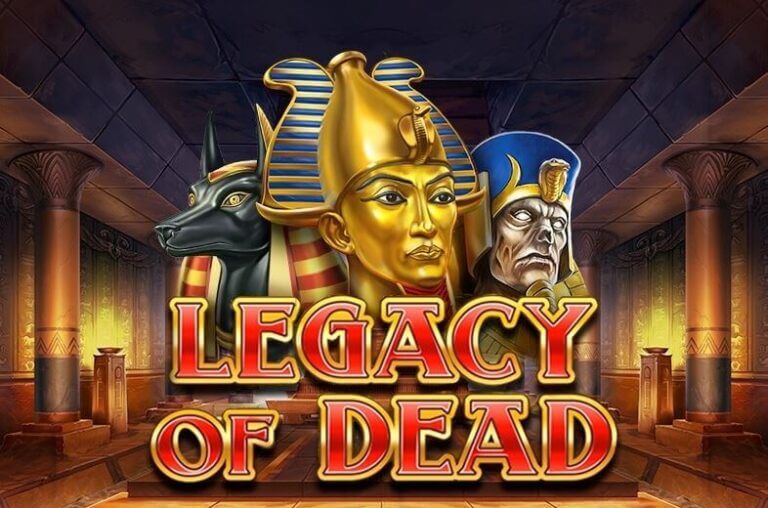
Grasping Legacy of Dead signifies going back to its spiritual ancestor: Book of Dead. Play’n GO launched Book of Dead in 2016, and it revolutionized the « Book » system genre. It featured the explorer Rich Wilde and mastered a blueprint of high volatility, a uncomplicated but powerful free spins round with an expanding symbol, and visuals that were premium for the time. I witnessed it sweep casino lobbies. By 2019, the scene was flooded with copies. Play’n GO had a decision: develop another straightforward sequel or employ the core mechanics to forge a new, more atmospheric identity. Legacy of Dead arose from that impulse to refine and elevate. The team abandoned the famous Rich Wilde, choosing instead a more shadowy, more enigmatic theme rooted in Egyptian gods and the afterlife. This was more than a simple reskin. It was a intentional shift in mood, aiming for ancient grandeur over adventure serial. They preserved the core « book » mechanic but rebuilt everything around it. The aim was a game that could stand next to its famous predecessor, not behind it.
Early Design and Core Mechanics
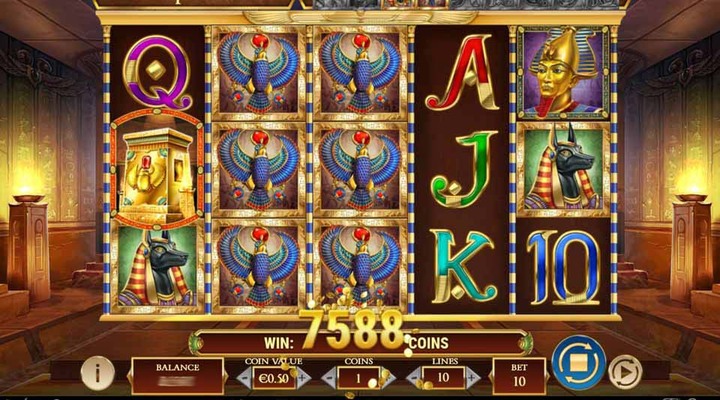
The initial design for Legacy of Dead honed in on straightforwardness and punch. The developers pared the concept down to basics: a 5×3 grid, ten paylines, and a sacred book acting as both wild and scatter. The visual shift is notable. They chose a deeper, gloomier scheme of deep blues and golds, setting the reels inside a shadowy tomb chamber. This was a world away from the more luminous, wide horizons of Book of Dead. The sound design enhanced the atmosphere, trading adventurous tunes for haunting chants and echoes. They incorporated the core gamble feature, a hallmark of Play’n GO’s high-volatility games, enabling players risk wins to double or quadruple them. The maths model received careful focus. It debuted with that signature high volatility and a 96.21% RTP, a clear signal to seasoned UK players that this game was intent for big wins. Every design decision felt purposeful, honing a proven template.
Core Thematic and Mechanical Distinctions from Book of Dead
Genetic similarities notwithstanding, several key differences emerged here. The most visible was the cast. Rich Wilde left, and Anubis, Osiris, and Horus appeared as the high-value symbols. This changed the player’s role from sidekick to someone engaging directly with deities. The expanding symbol in the free spins round became even more vital. Landing three god symbols could cover the screen with a single, high-paying image. I noticed another subtle but effective tweak in the animations. The gods were rendered with finer detail and a sense of majesty. Their animations on a win felt heavier, more significant. These were not just symbols; they were the pillars of the game’s story. This groundwork ensured Legacy of Dead was seen as a worthy and ambitious sibling, not a cheap knock-off, establishing its own place within a familiar framework.
Legacy and Influence on Subsequent Slots
The heritage of Legacy of Dead is clear in the slots that followed. It proved that a sequel or spiritual successor could prosper by preserving core mechanics while entirely overhauling the aesthetic and story. You can see this influence in Play’n GO’s own later releases, like « Scroll of Dead, » which kept exploring the ancient manuscript idea. More broadly, it reminded the entire industry how much audiovisual polish and thematic consistency count in a crowded field. For UK players, it increased the bar for production values. A slot could not just operate properly; it had to pull you in. Its success also cemented the « Book » mechanic as a lasting favourite, pushing other developers to explore new things within that structure. Looking at today’s market, I can detect its DNA in numerous high-volatility, theme-heavy slots. Legacy of Dead marks a turning point in Play’n GO’s library. It polished a winning formula to a fine edge and showed that even in a packed genre like Egyptian adventure, there was still opportunity for fresh ideas and a strong identity.